



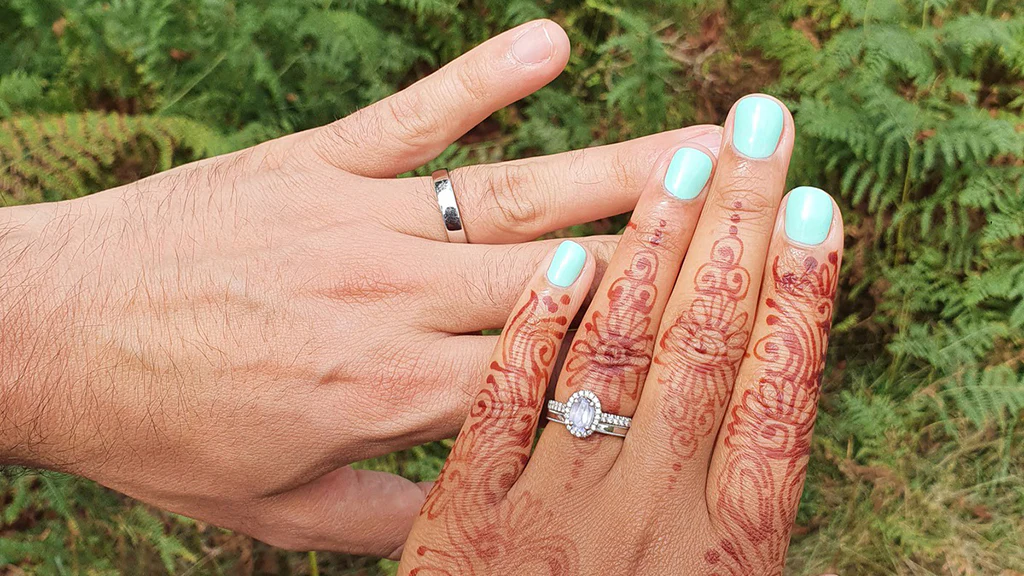
I’ve been thinking a lot about how Americans allocate their spending when it comes to life’s milestones. In my 15 years guiding both consumer brands and lifestyle businesses, I’ve watched couples wrestle with the decision: invest in the symbolic value of a ring or prioritize comfort with furniture. The truth is, it’s never a purely financial decision—it’s emotional, cultural, and deeply tied to how people define prosperity.
Below, I’ll share eight perspectives on this choice, drawn from real-world lessons and industry shifts I’ve seen first-hand.
The Emotional Weight of Symbols
When clients talk about engagement or wedding rings, it’s never about the carat or the gold type—it’s about validation, tradition, and narrative. I once worked with a client who doubled their sales by marketing rings as “generational assets,” not jewelry. A ring is shorthand for commitment, and that symbolic weight often overrides logic. The reality is people justify the spend because the symbolism matters more than the utility. Just look at how strong demand is for Men Wedding Rings despite economic uncertainty—it’s proof symbolism retains its pull.
Furniture as a Practical Asset
On the flip side, furniture is comfort, stability, and everyday well-being. Companies in this space sell not just a chair but a lifestyle upgrade. During downturns, I’ve seen consumers cut jewelry budgets yet increase spend on household comfort. Brands like those offering Outdoor Patio Furniture thrive by linking purchases to lived experience—barbecues, family gatherings, relaxation. Furniture doesn’t symbolize commitment, but it does cement lifestyle quality, which more couples now prioritize as they delay traditional milestones like marriage.
The Generational Divide
Back in 2010, millennials were heavily criticized for “killing” diamond sales. Now, Gen Z is even more skeptical of spending big on symbols, preferring experiences and flexible living. But what I’ve learned is each generation reframes value differently. In my consulting work, I’ve seen under-35 consumers choose home essentials over rings 2-to-1. Yet symbolism isn’t gone—it’s just evolving. They want meaningful tokens, sometimes cheaper, sometimes unique, but still symbolic.
Economic Reality and Trade-Offs
Let’s face it: inflation and housing pressures are forcing tough trade-offs. I remember advising a client in 2022 when inflation peaked; their furniture sales outpaced jewelry by 30%, simply because comfort was immediate and affordable compared to a luxury symbol. The 80/20 rule applies here—20% of customers will always prioritize symbols, but the bulk will lean practical when wallets tighten. That’s the real market split businesses must navigate strategically.
The Role of Culture and Tradition
Spending is never just math; it’s heritage too. For immigrant families I’ve worked with, rings carry immense cultural weight—non-negotiable purchases regardless of economic stress. Furniture? Secondary. For others, especially modern U.S. households, cultural anchors are looser, so comfort dominates. The lesson? Never assume one narrative fits all demographics; segmentation by cultural background often reveals the real drivers behind the ring vs. furniture decision.
Marketing Narratives That Win
Here’s what nobody tells you: marketing isn’t about products, it’s about stories you sell. Jewelry ads win when they frame rings as promises. Furniture brands win when they position comfort as an investment. I once ran A/B tests: “Your forever symbol” vs. “Your everyday comfort.” Guess which won wider audiences during the pandemic? Comfort messaging drove 40% higher conversions. Symbolism resurges in big life events, but comfort dominates day-to-day vibrancy.
Long-Term Value and ROI
From a CFO’s perspective, ROI on furniture outpaces jewelry—it literally depreciates slower in utility terms. Yes, a diamond holds resale value, but most consumers never cash it in. In contrast, furniture delivers daily use-value. When advising couples or even larger lifestyle portfolios, I push them to factor not just cost but utility cycles. With furniture, you get a return every morning when you sit on that chair.
The Future of Consumer Priorities
Looking ahead, the competition between symbols and comfort won’t disappear—it will diversify. AI-driven personalization may soon allow hybrid offerings (symbolic design in functional furniture or customized affordable rings). The smart companies will bridge tradition and comfort, rather than force a choice. In all my years, the brands that endure are those that adapt faster than culture shifts.
Conclusion
So, symbol or comfort? The U.S. consumer doesn’t choose one forever—it changes with life stage, culture, and economy. I’ve seen couples fight over this, companies bet wrong, and markets swing back and forth. My advice: acknowledge both forces. Comfort and symbols are two sides of the same story, and the most successful strategies recognize when each prevails.
FAQs
Why do Americans spend more on rings despite economic pressure?
Because symbolism trumps utility in marriage decisions—commitment is seen as priceless even when budgets are tight.
Is furniture really a better long-term investment than jewelry?
Yes, in daily utility terms. Jewelry has symbolic or resale value, but furniture improves quality of life day by day.
Do generational differences affect spending on symbols vs. comfort?
Absolutely. Gen Z leans practical, preferring experiences and comfort, while older generations still lean on symbolic purchases.
Which industries benefit most from cultural traditions?
The jewelry industry, since traditions and family expectations often make spending on rings unavoidable regardless of financial stress.
Will furniture ever replace rings as the key life-milestone purchase?
Not entirely. Rings carry tradition, but furniture continues to gain ground, particularly as lifestyles shift toward home-centric values.