
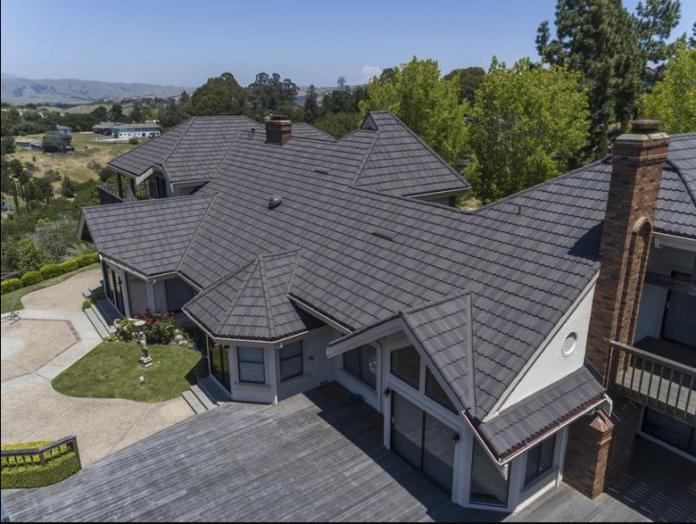


Selecting the right materials for a residential roofing project is more than a design choice. It’s a decision that impacts durability, aesthetics, and long-term costs. Homeowners often face a maze of options, from traditional shingles to modern metal or tile roofs. Each material comes with its strengths and considerations. Understanding these factors ensures a roof that not only looks good but performs well for years.
Popular Materials For Residential Roofing
Residential roofing includes a variety of materials designed to meet different needs. Asphalt shingles remain the most common due to affordability and ease of installation. Metal roofs offer longevity and energy efficiency. Clay and concrete tiles provide a classic look and withstand harsh weather. Wood shakes bring natural charm but require more maintenance. Choosing the right material depends on climate, budget, and style preferences, all essential for successful residential roofing.
Longevity Considerations In Roofing Services
Roofing services focus heavily on the lifespan of materials. Some roofs last 20 years, while others can exceed 50. Asphalt shingles typically last 15 to 30 years, while metal and tile roofs often last much longer. Contractors offering professional roofing services evaluate your home’s structure and environmental factors. They ensure the material selected will endure local weather conditions, reducing the likelihood of premature repairs or replacements.
Energy Efficiency And Residential Roofing
Modern residential roofing can do more than protect from rain and snow. Energy-efficient roofs reduce heat transfer, lowering cooling costs in summer and retaining warmth in winter. Reflective metal roofs and properly insulated asphalt shingles are common options. Skilled roofing services can recommend materials that maximize energy efficiency without compromising aesthetics. Investing in energy-efficient residential roofing pays off over the long term.
Cost Factors In Roofing Services
Budget considerations are crucial when planning a residential roofing project. The cost of materials varies widely. Asphalt shingles are economical, while natural slate and clay tiles are premium options. Labor and installation quality also affect total expenses. Professional roofing services provide accurate estimates and guide homeowners toward materials that balance cost, durability, and style. Smart choices here prevent overspending and future headaches.
Aesthetic Appeal Of Residential Roofing
Beyond function, residential roofing plays a major role in curb appeal. The color, texture, and style of your roof define your home’s character. Certain materials, like wood shakes or tile, add timeless elegance. Roofing services often offer design consultations to align material choices with the home’s architecture. A well-chosen roof complements landscaping, enhances property value, and creates a visually cohesive look.
Maintenance Needs For Long-Lasting Roofing
Maintenance is a key aspect of residential roofing. Asphalt shingles need periodic inspection and minor repairs, while metal and tile roofs require less frequent attention. Regular maintenance ensures longevity and preserves appearance. Experienced roofing services provide guidance on cleaning, inspections, and minor repairs to extend your roof’s life. Planning for maintenance upfront prevents unexpected costs.
Conclusion
Choosing the right materials for residential roofing is a balance of durability, aesthetics, efficiency, and cost. By understanding the strengths of each option and consulting experienced roofing services, homeowners can make informed decisions. A well-chosen roof protects the home, enhances curb appeal, and provides peace of mind for years. Investing time in material selection is an investment in the home’s future.