



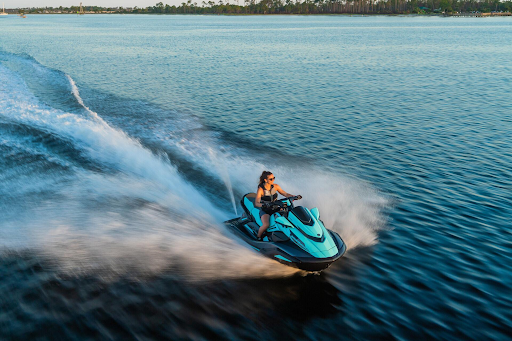
When you search sales jet ski, the listings may look similar at first: glossy hulls, powerful engines, and the promise of time on the water. Yet two personal watercraft with comparable prices can deliver very different experiences in choppy conditions, with a passenger, or after an hour in the saddle. The smartest choice is rarely the fastest model or the largest discount. It is the craft that fits your riding habits and the costs you can comfortably maintain. This guide explains PWC categories, new-versus-used considerations, practical inspection points, safety basics, and the questions worth asking before you buy.
Key Takeaways
- Choose a personal watercraft for the trips you actually take, not its highest speed.
- Compare seating, hull behavior, storage, and controls before focusing on horsepower.
- A used PWC’s service history and condition matter more than a low hour-meter reading alone.
- Budget for transport, insurance, safety equipment, maintenance, and launching—not just the purchase.
- Treat boater education and local operating rules as part of the buying decision.
What Should a Sales Jet Ski Listing Tell You?
In short: A useful Jet Ski listing identifies the manufacturer, model, model year, condition, seating capacity, engine specification, included equipment, and advertised price. It should give buyers enough information to compare the craft with alternatives, while leaving room to verify fees, service history, warranty details, and availability with the seller before making a commitment.
Jet Ski is Kawasaki’s registered brand name for its personal watercraft. In everyday conversation, however, many buyers use “jet ski” for models made by Sea-Doo, Yamaha, and other manufacturers.
The broader category is personal watercraft (PWC): compact recreational vessels powered by an inboard engine driving a water jet.
That distinction matters when filtering inventory. A search restricted to one brand can hide a watercraft that better suits your needs. A more helpful shortlist begins with the type of riding you want to do, then compares models across relevant categories.
Before taking a listing seriously, verify three things:
- The exact model and configuration. Similar model names can have different engines, trim packages, features, or seating arrangements.
- What the price covers. The advertised figure may exclude taxes, title, dealer preparation, destination charges, accessories, or a trailer.
- What is actually available. Inventory listings and promotional offers can change; confirm condition, stock, and final pricing directly.
A polished listing is a starting point. A complete written quote and a model-specific walkaround are what turn an attractive listing into a realistic purchase option.
Which Type of Personal Watercraft Fits Your Plans?
In short: The right PWC category depends on how you ride. Lightweight recreational models favor short, playful trips; all-round recreation models balance everyday comfort and maneuverability; touring models emphasize stability and longer outings. Performance, tow-sport, and fishing models serve more specialized purposes. Compare these characteristics against your passengers, waterways, and skill level.
There is no single “best” Jet Ski for every buyer. A solo rider on a sheltered lake may appreciate a nimble, relatively compact craft.
Someone taking a passenger along the Southern California coast may care more about seating, reboarding, storage, and a composed ride through chop.
| PWC type | Often a good fit for | Main consideration |
| Lightweight recreation | Short solo outings and playful riding | Less space and potentially less comfort in rough water |
| All-round recreation | Mixed family and weekend use | Versatile, but not specialized for every activity |
| Touring | Longer trips and frequent passengers | Larger footprint, transport needs, and storage space |
| Performance | Skilled riders seeking sharp acceleration | Power demands judgment and careful throttle control |
| Tow-sport or fishing | Wake activities or dedicated fishing trips | Extra equipment adds complexity and expense |
Match the Machine to a Normal Saturday
Picture two buyers with similar budgets.
One expects quick solo rides on a calm lake. The other plans two-hour coastal excursions with a partner, a dry bag, and occasional wind-driven waves.
If both buy on engine output alone, one may pay for performance that adds little practical value while the other overlooks comfort and fuel planning.
Start with the ride you will repeat most often. Only then decide which features deserve a premium.
Is a New or Used Jet Ski the Better Buy?
In short: A new PWC generally provides current features, a clear warranty starting point, and fewer unknowns about past use. A used PWC can offer stronger initial value, but its condition must be verified. The better purchase is the one whose mechanical history, total price, performance, and long-term care requirements fit your situation.
New watercraft appeal to buyers who value predictability. They can compare current trim levels, discuss warranty coverage, and begin maintenance with a documented starting point.
The trade-off is often a higher initial cost and potential depreciation.
Used watercraft require more detective work. Engine hours tell you how long a machine has operated, but they do not reveal whether it was stored properly, flushed after saltwater use, damaged by debris, or maintained on schedule.
A well-serviced PWC with higher hours may be a sounder purchase than a lower-hour machine that has spent long periods neglected. Hours need context.
Used PWC Inspection Checklist
- Confirm ownership and identification. Match the hull identification number (HIN) with the title or registration and the seller’s documents.
- Study the hull. Check the underside, keel, intake area, and visible repairs for signs of impacts, cracks, or unusual wear.
- Check the jet pump. Have a qualified technician assess the impeller, wear ring, and evidence of debris or cavitation damage.
- Look inside the engine compartment. Examine accessible components for corrosion, loose fittings, leaks, or signs of water intrusion.
- Review maintenance records. Ask about scheduled services, storage preparation, battery care, and post-ride cleaning.
- Test installed controls. Verify instrument alerts and the specific reverse, braking-assistance, and engine cut-off systems where equipped.
- Inspect any included trailer. Tires, lights, bearings, winch, frame, and paperwork deserve attention independent of the PWC.
- Arrange a professional assessment. Where feasible, seek an independent marine inspection and an appropriate on-water demonstration.
Do not rely on a brief engine-start video as proof of overall condition.
A watercraft may sound normal out of the water yet reveal issues when running under load. If a proper inspection is unavailable, treat that uncertainty as part of the price decision.
What Does Jet Ski Ownership Really Cost?
In short: Jet ski ownership costs extend beyond the advertised purchase price. Buyers may also pay taxes, registration, dealer charges, insurance, safety gear, fuel, servicing, storage, launch fees, and trailer-related expenses. Estimating these costs before purchase helps distinguish a manageable recreational investment from a machine that strains the budget after delivery.
Think of the first-year cost as a complete ownership plan:
FIRST-YEAR OWNERSHIP COST
Out-the-door purchase price + essential equipment + insurance + fuel + service + transport + storage and launch expenses
Not every owner pays each expense in the same way.
Someone with secure home storage and an appropriate tow vehicle faces a different calculation from a buyer who needs to rent space and purchase a trailer.
Consider a hypothetical comparison.
Two PWCs have the same advertised price. One includes suitable transport equipment and the safety accessories the buyer needs.
The other requires a separate trailer, storage upgrades, and several additional purchases.
The second craft may look equally affordable online but cost more to put on the water.
Questions to Ask About the Quote
- Is this the final out-the-door price, including tax and required fees?
- Does a road-legal trailer come with the watercraft?
- Which accessories are included and which are optional?
- What is the warranty coverage, and where can the craft be serviced?
- If financing is offered, what is the annual percentage rate, term, and total repayment cost?
The goal is not to calculate every future expense perfectly. It is to remove predictable surprises before signing.
How Do You Compare Jet Skis Before Buying?
In short: Compare shortlisted PWCs in a consistent sequence: primary use, hull behavior, comfort, passenger space, practical features, controls, service support, and final cost. A craft that feels appropriate while stationary may still handle differently on open water. Ask informed questions, inspect the exact configuration, and request comparable written quotes from sellers.
Seven Practical Comparison Steps
- Narrow the field. Choose two or three models intended for the way you actually ride.
- Check ergonomics. Sit on each craft where permitted; evaluate handlebar reach, footwell room, and the intended passenger arrangement.
- Discuss water conditions. Ask how the hull behaves in the chop, currents, and winds typical of your riding area.
- Assess real-world utility. Compare onboard storage, boarding steps, mirrors, tie-down locations, and towing equipment where relevant.
- Understand the controls. Electronic reverse or braking-assistance systems are not identical across manufacturers and models.
- Plan maintenance and transport. Check service access, parts support, trailer compatibility, and storage dimensions.
- Compare like-for-like quotes. Use the same assumptions for accessories, taxes, fees, warranty terms, and financing.
What If You Also Enjoy Motorcycles?
Powersports shoppers often make the same mistake on land and water: choosing the most exciting specification without considering daily use.
Someone comparing ninja bikes, for example, should distinguish an approachable street-oriented sportbike from a more demanding track-focused motorcycle.
The same fit-for-purpose thinking helps when comparing recreational and performance PWCs.
The decision-making principle transfers; the handling skills do not transfer directly.
A PWC’s jet propulsion, steering response, wave interaction, and stopping behavior require separate familiarity and training. Motorcycle experience is not a substitute for learning the watercraft’s controls.
What Safety Essentials Should PWC Buyers Know?
In short: PWC buyers should understand operator-age rules, boating education requirements, personal flotation equipment, engine cut-off systems, and local navigation restrictions before riding. These requirements vary by jurisdiction and waterway. Safety training and a proper equipment check are essential even when a buyer has previously operated boats or other powersports vehicles.
In the United States, the U.S. Coast Guard establishes federal recreational boating safety requirements, while states and local authorities apply additional rules.
PWC riders should wear suitable U.S. Coast Guard-approved life jackets and follow the engine cut-off requirements for their craft.
California is a relevant example for buyers around San Diego, Oceanside, and Escondido.
Since January 1, 2025, its Boater Card requirement has covered motorized-vessel operators regardless of age, subject to legal exemptions.
Separate age and supervision restrictions also apply. Always check the current requirements for the precise waterway and operator.
Before every ride:
- Check weather, waves, local notices, and available daylight.
- Wear correctly fitted protective equipment appropriate for PWC use.
- Use the engine cut-off link or system as instructed and legally required.
- Keep safe clearance around docks, swimmers, wildlife, and other boats.
- Learn how the specific craft steers and slows, especially at low speed.
- Carry enough fuel and allow a reserve for changing conditions.
- Never operate while impaired by alcohol or drugs.
The right first PWC is one the rider can operate with confidence and care—not simply one that feels exciting in a showroom.
Frequently Asked Questions
What Is the Difference Between a Jet Ski and a Personal Watercraft?
Personal watercraft is the general term for compact, jet-propelled recreational vessels. Jet Ski is Kawasaki’s registered watercraft brand, although the name is often used informally for other makes. Sea-Doo and Yamaha WaveRunner are examples within the broader PWC category. Use category and brand terms when comparing inventory so you do not overlook suitable models.
Is a Used Jet Ski Worth Buying?
A used jet ski can be a sensible purchase when its price reflects its condition and future maintenance needs. Look for consistent service records, a sound hull, healthy jet pump components, and clear ownership documents. An independent inspection is especially valuable because a clean appearance and a low hour-meter reading cannot establish mechanical condition on their own.
What Is the Best Jet Ski for a Beginner?
The best beginner PWC is generally one with predictable controls, manageable performance, comfortable ergonomics, and appropriate seating for its intended use. Beginners often benefit from an all-round recreational model rather than choosing the most powerful option. The final decision should reflect local water conditions, rider size, budget, and access to instruction and service.
Do Jet Skis Come With Trailers?
Some personal watercraft are sold with trailers, while others are priced separately. Trailer inclusion depends on the specific listing, seller, and purchase agreement. Confirm that the trailer is included in the written quote and suitable for the craft. Also check road registration requirements, tire and bearing condition, storage dimensions, and your tow vehicle’s capacity.
Do I Need a Boating License to Operate a Jet Ski?
Requirements vary across U.S. states and may depend on age, waterway, and exemptions. Many jurisdictions require boating education or an operator card rather than a conventional driver’s-style license. California’s Boater Card requirement generally applies to motorized-vessel operators of all ages, with exemptions and separate age rules. Check current local guidance before taking a PWC onto the water.
Conclusion: Buy for the Ride You Will Actually Take
The best Jet Ski purchase is not necessarily the newest model, the largest engine, or the lowest advertised price.
It is a personal watercraft whose handling, comfort, capabilities, and running costs match the rider’s real needs.
Begin with the trips you expect to take most often. Compare relevant models, inspect used equipment carefully, request a complete quote, and learn the operating rules before launching.
That approach leads to a better decision—and a more enjoyable ownership experience.